Faith & Inspiration · Reading List
From philosophy and memoir to contemporary fiction — the books that have shaped how our community’s thinkers and writers see the world.

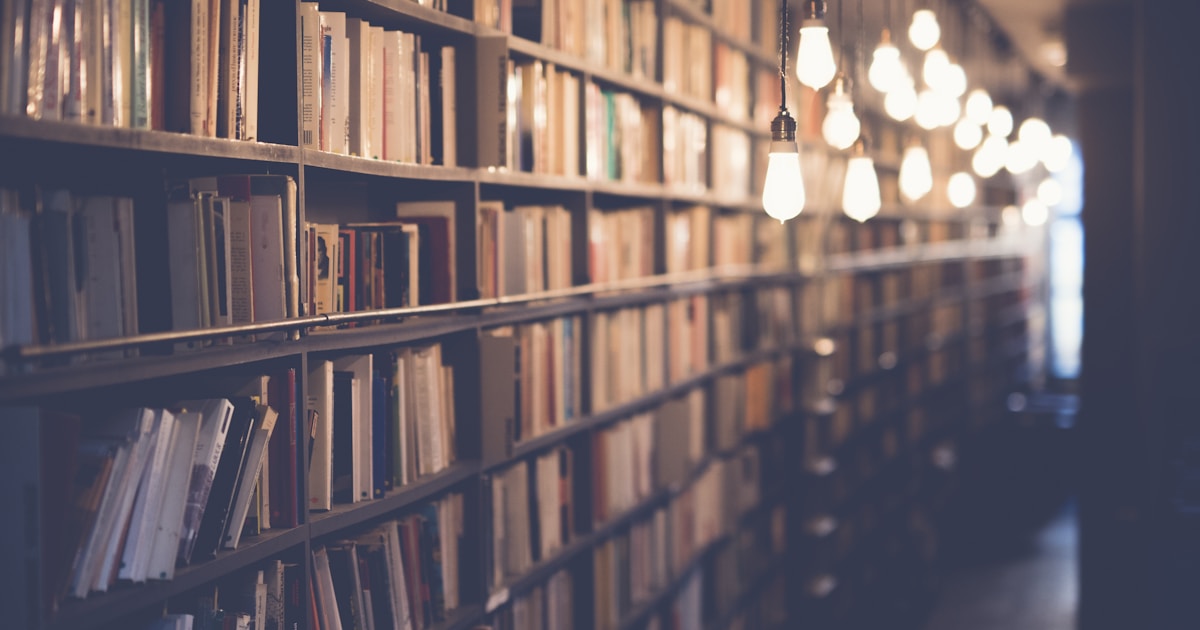
Photo: Janko Ferlič
A reading list is a form of autobiography — it tells you what questions someone was living inside, what they were searching for, what changed them. This is ours.
The best books don’t just inform — they alter the architecture of how you think. The books on this list were chosen not because they are the most prestigious, but because they are the ones our editorial team, contributors and readers have returned to: books that stayed with them and, in some cases, changed the direction of their thinking entirely.
The 14th-century philosopher’s masterwork on the rise and fall of civilisations. Arguably the first work of sociology in human history, and still startlingly relevant.
One of the great documents of spiritual transformation in the 20th century. Essential reading for understanding the relationship between faith, identity and the process of becoming.
A novel of extraordinary emotional power. Hosseini’s portraiture of Afghan women across generations is one of the most compassionate acts of literary attention in contemporary fiction.
The Ihya Ulum al-Din: the 11th-century scholar’s monumental work on Islamic spirituality, ethics and the science of the interior life. Demanding. Irreplaceable.
The psychiatrist’s account of survival in Nazi concentration camps and the philosophy he developed from it. That the will to meaning is the deepest human drive. Transformative reading.
A readable, rigorous introduction to Islamic history as a continuous civilisational story. Essential for understanding where we have come from and why it matters where we go.

The Sudanese novelist’s masterpiece. One of the most significant Arabic novels of the 20th century — an examination of colonialism, identity and belonging that refuses every easy answer.
A novel about race, belonging, identity and love that operates at the highest level of literary intelligence. The chapter on returning to Nigeria alone is worth the entire book.
A novel exploring Sufi philosophy through the story of Rumi and Shams of Tabriz. Moves between medieval Anatolia and contemporary Istanbul with remarkable lightness and warmth.
The Harvard scholar’s rigorous and nuanced exploration of Islamic feminism, Western scholarship and what it means to be a Muslim woman navigating history and modernity.
“A reader lives a thousand lives before they die. The person who never reads lives only one.”
— attributed to George R.R. Martin